


Wallets
Embedded wallets, three lines in.
Non-custodial. iOS and TypeScript SDKs. Created inside your app — no redirects, no seed phrases.
Don't pick five vendors. Pick the stack. Wallets, payments, NFTs, identity, agents — one API surface. Non-custodial. EVM-native. Same stack for human SDKs and AI agents via MCP.
Same call on every EVM chain.
non-custodial · scoped keys
wallets.create --chain ethereum --gasless
1 call · gasless · EVM
Quickstart
Hand the platform to an agent as tools, or call it from your own code.
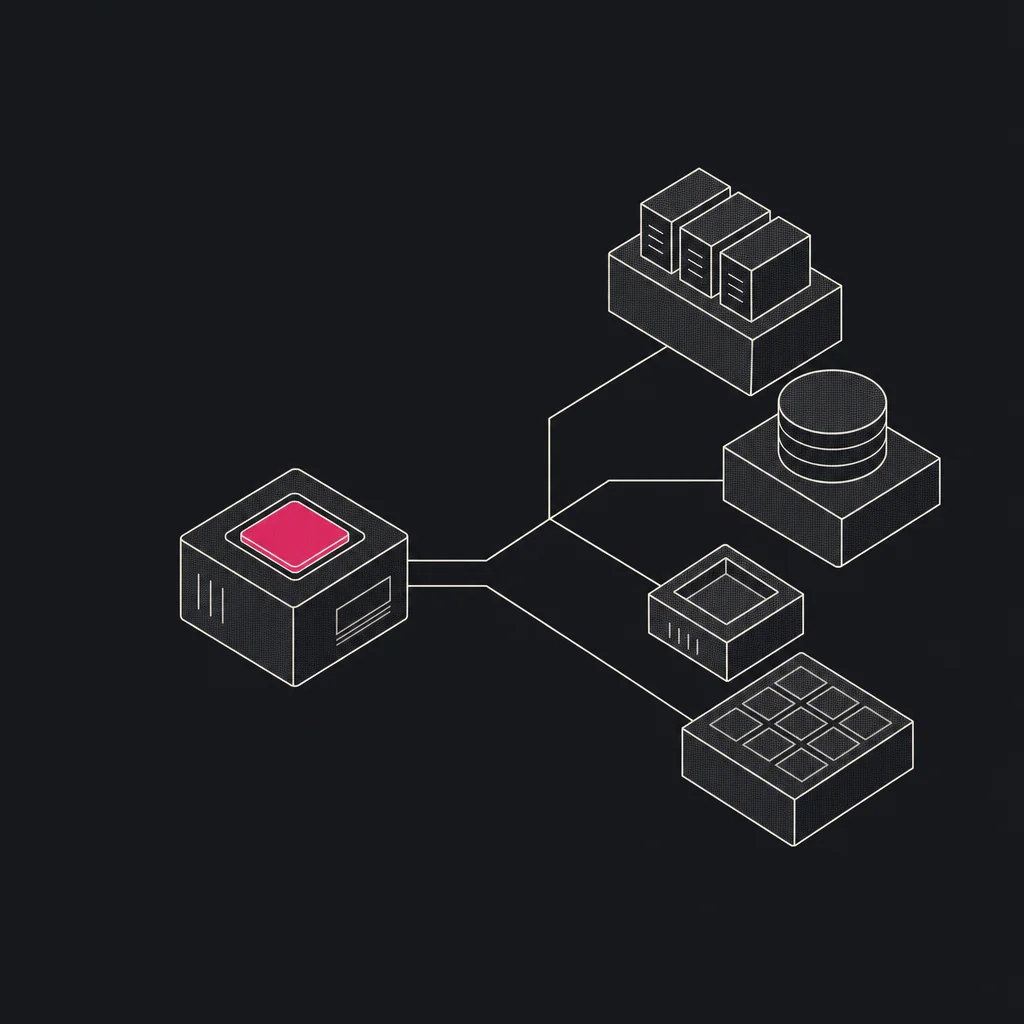
For your agent
The MCP server hands any agent-aware runtime the whole platform as callable tools.
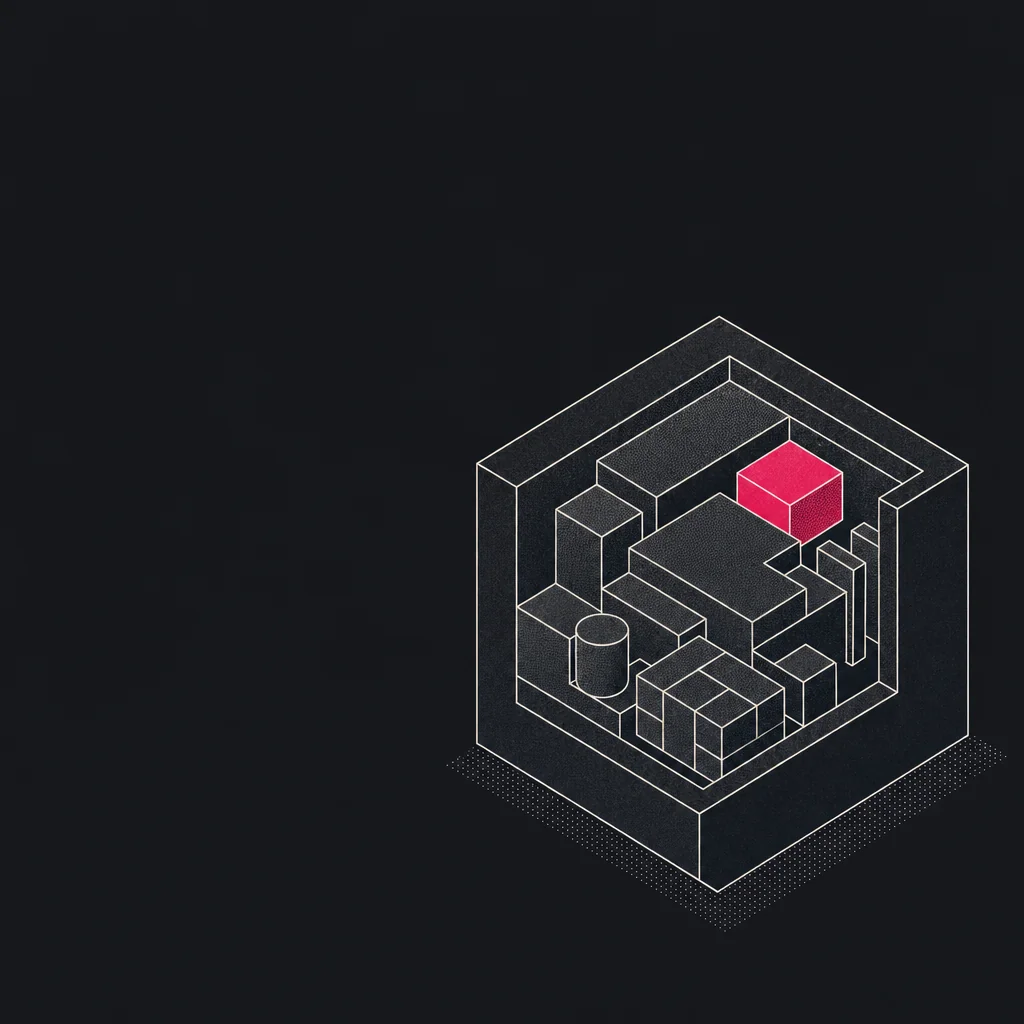
For your app
A typed SDK, or the HTTP API directly. Either surface, the same core.
Primitives
Wallets, tokens, NFTs, vaults, and agents resolve to built-in primitives — each primitive is one SDK call with consistent error shapes and webhooks.
Wallets
Non-custodial. iOS and TypeScript SDKs. Created inside your app — no redirects, no seed phrases.
Tokens
Issue ERC-20s, cover gas, enforce transfer policies. One API for deploy, mint, and move.
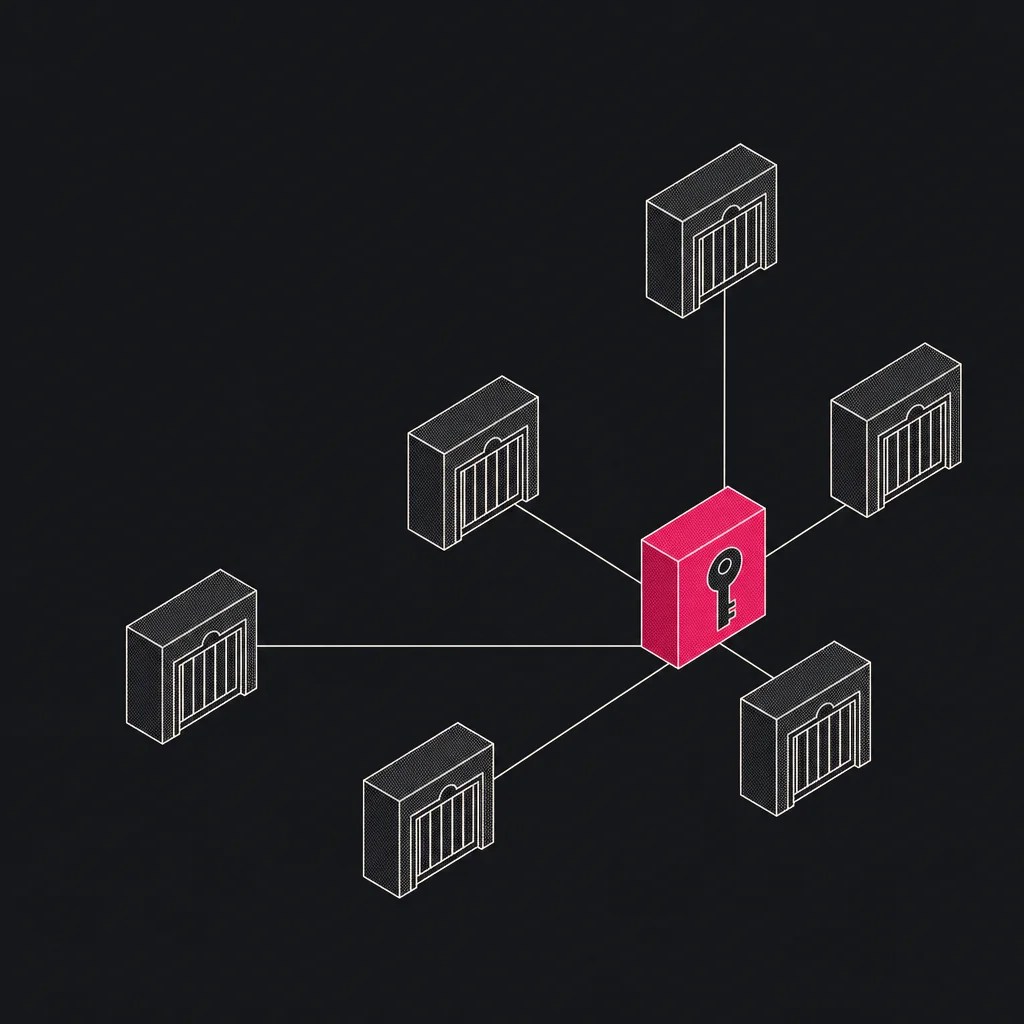
Vaults
Programmable vaults with deposit, withdraw, and sweep rules. Funds move when your policy says so.
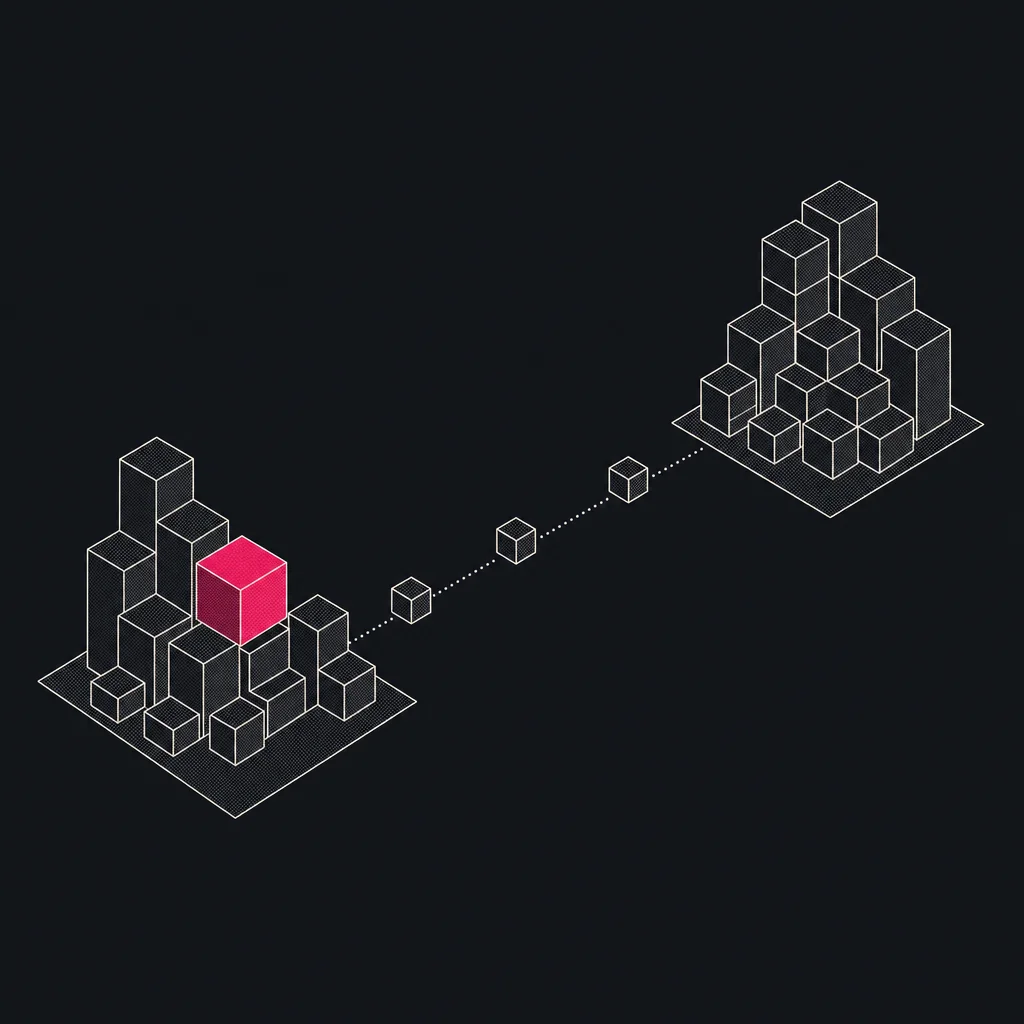
Networks
Ethereum, Base, Polygon — same SDK shape, same request format. Switch chains with a string.
Architecture
Agents · MCP
Not a second product — the same primitives, reached over MCP. Keys stay scoped and non-custodial, every tool call runs inside a spend cap you set, and nothing signs outside policy.
session.open agent ops-1
Claude · Cursor · any MCP client
claude mcp add fabricbloc -- bunx fabricbloc-mcp

# Cursor, Windsurf, Zed and the rest read the same config:
bunx fabricbloc-mcp installUsing the FabricBloc tools, create a smart account on Base, fund its gas from the project sponsor, and send me the address.
Non-custodial
The agent receives tool results. A private key never enters the context window, the client config, or the log.
Spend caps
Per-key daily and per-call limits. A call over the cap fails before it reaches a chain, not after it settles.
Signed trail
Agent, scope, arguments, and outcome recorded per tool call, and replayable through the same webhooks your app uses.
Infrastructure
Gas sponsorship, webhook replay, scoped keys, and real-time telemetry — built into the platform so you do not bolt them on later.
Gas sponsorship
Sponsor transactions so users never think about gas. Budgets and policies set server-side.
Webhooks
72-hour event replay. Filter by type, chain, or wallet. No polling, no missed state.
Scoped keys
Every key carries its own policy. Read-only, sign-only, spend-capped — enforced at the gateway.
Observability
Balances, transfers, throughput — streamed to your dashboard. Debug without a block explorer.
Pricing
Planned tiers while we onboard in waves — Free at $0, Pro at $60/mo USDC, Scale at $200/mo USDC. Request access today; self-serve billing opens when we go live.
Coming soon Planned tiers below — request access while we onboard in waves. Self-serve billing is not live yet.
Proof-of-concept caps — build and demo the whole stack.
For scaling projects moving real volume.
Higher throughput and hands-on support for production teams.
Start with the onchain stack.